
Support matched to needs, goals and risk
Participants who need regular help with daily living tasks, shared living routines, supervision, personal care or community participation.
SIL support focused on safe routines, independence and everyday quality of life.
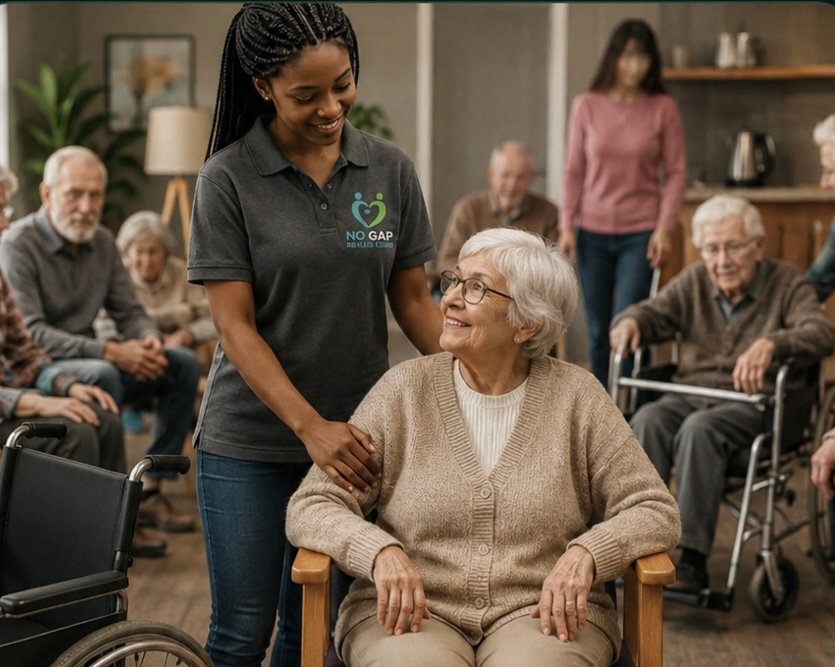
Participants who need regular help with daily living tasks, shared living routines, supervision, personal care or community participation.
Nogap’s model is person-centred, trauma-informed, recovery-oriented and culturally safe. Referrals are reviewed for support needs, consent, current services, location, urgency and any clinical or safety considerations before commencement.
The exact support mix depends on participant goals, funding, consent, documentation and workforce suitability.
Participants, families, hospitals, GPs, support coordinators, allied health teams, justice agencies, veteran organisations and government services can refer through the online referral pathway.
Submit the online form, call the team or send supporting documents through the referral portal.
The team reviews eligibility, urgency, risk, support needs, documents and service location.
Nogap confirms next steps, consent, service agreement needs and staff matching.
Supports begin after onboarding, documentation and agreed service arrangements are in place.
Supported Independent Living is assistance with daily tasks and support needs for eligible NDIS participants living in shared or individual arrangements.
Nogap can discuss needs, funding and referral information to determine whether a SIL pathway should be explored.
No. SIL funds support services, while Specialist Disability Accommodation relates to eligible housing needs.
Use the referral pathway to share participant details, consent, urgency, risk information and supporting documents. For urgent safety concerns, contact emergency or crisis services first.